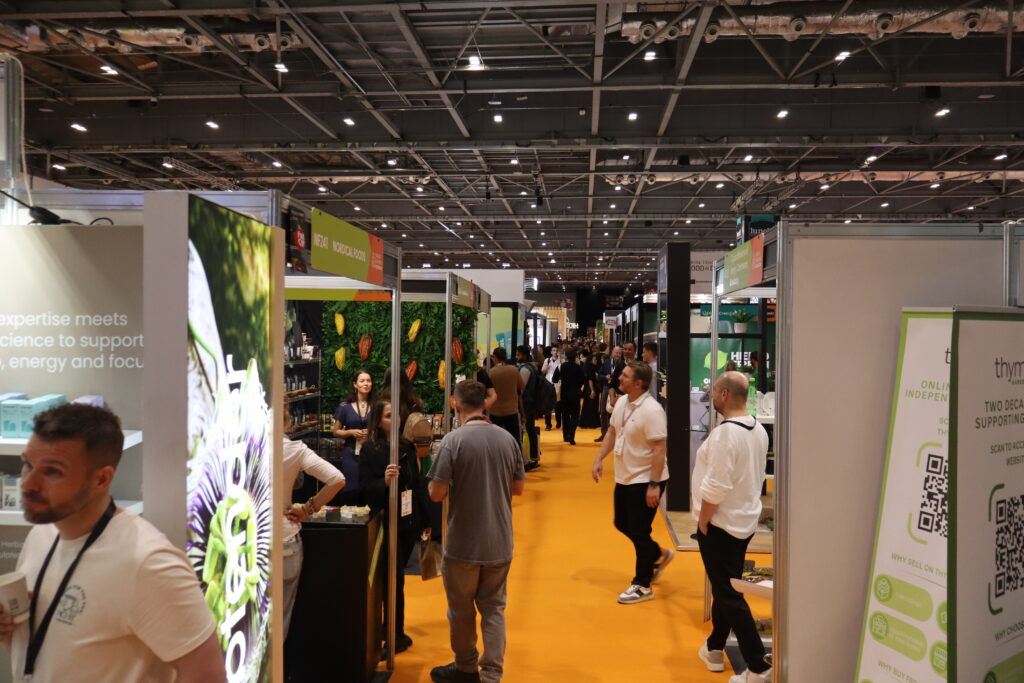
The Natural & Organic Food Show (NOFS) in London highlighted key trends and insights shaping the natural and organic food market toward 2027, including changing consumer preferences, growing demand for functional and nutrient-dense products, the mainstreaming of health and wellness, and increased focus on transparency and sustainability.
Consumer preferences are shifting toward simpler, more functional, and more transparent food choices. These trends also appeared in Mary Allen’s 2027 trend outlook, presented at the show, which highlighted the importance of transparency around ingredients and the origin of agricultural raw materials.
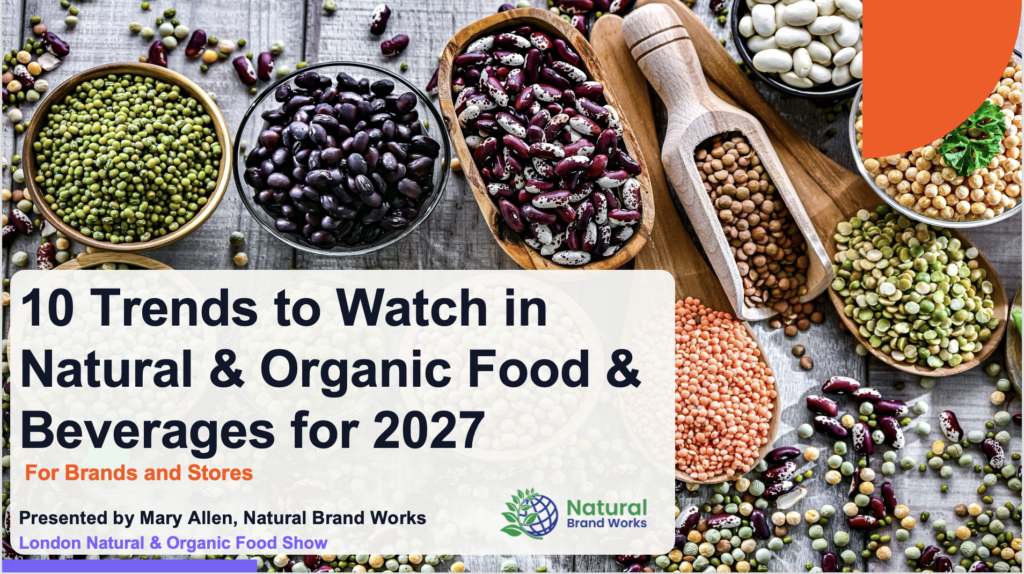
The show highlights that food trends are increasingly favouring simple, nutritious, and easy-to-understand foods, with shorter ingredient lists and a growing focus on protein, fiber and nutrient density. Plant-based foods are also evolving beyond traditional meat substitutes, as ingredients such as beans, mushrooms, tofu and tempeh are becoming more appealing in their own right.
At the same time, there is growing interest in authenticity and more specific food experiences, including regional flavours and traditional preparation methods. In beverages, innovation is particularly visible in alcohol-free and lower-sugar options, with botanicals, fermentation and functional benefits helping create drinks that still feel flavorful and indulgent.
These developments are unfolding alongside a broader health and wellness market. Interest in gut health, functional nutrition, sleep, and women’s health is expanding the range of products positioned around health and well-being. Changing eating habits are also creating new considerations for product development, including the potential impact of GLP-1 medications and a greater focus on smaller portions and nutrient-dense foods.
At the same time, organic products are increasingly moving from niche categories towards becoming a more established part of everyday grocery shopping. Accessibility, Innovation and trust are key drivers as retailers work to make organic and healthier options more relevant to everyday consumers.
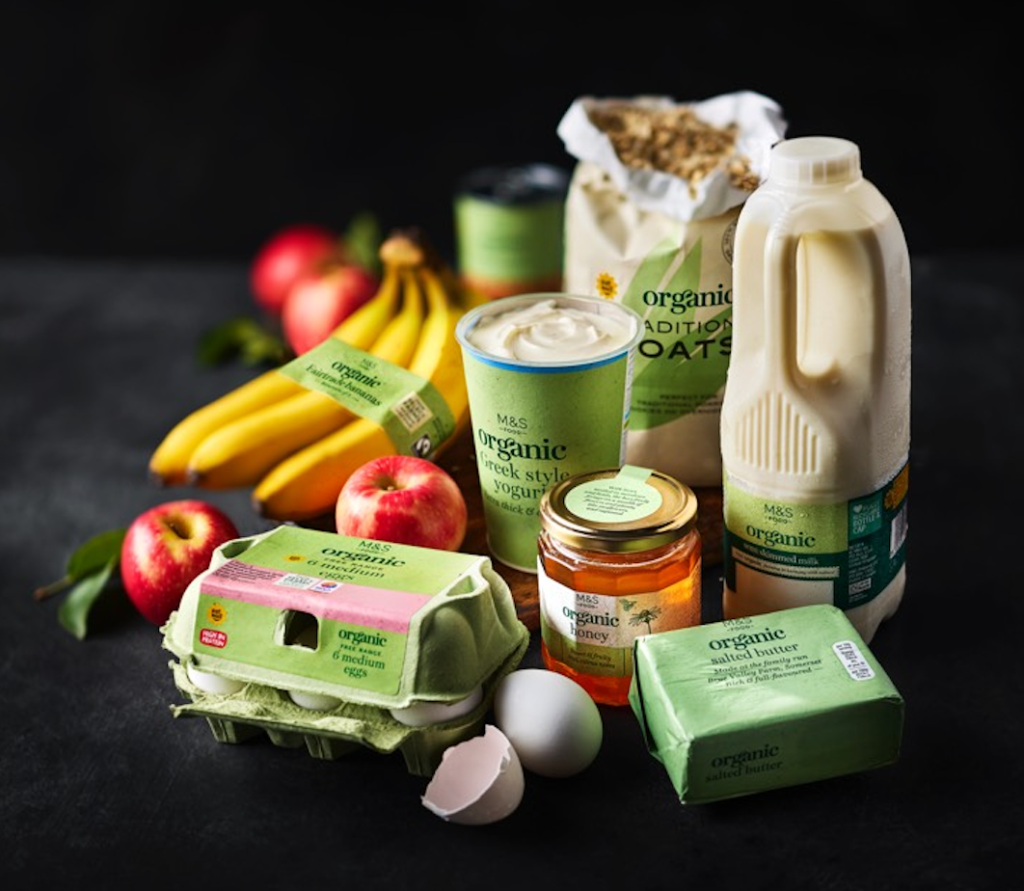
Marks & Spencer (M&S) is one example of how organic is becoming more accessible. The retailer has invested £4 million in its long-term organic strategy and lowered prices on more than 50 organic products, including everyday essentials such as milk and carrots. This reflects a broader shift towards making organic part of everyday grocery shopping, rather than something seen as premium or occasional.
For smaller retailers and emerging brands, expertise, credibility and strong relationships with consumers can be important ways to stand out.
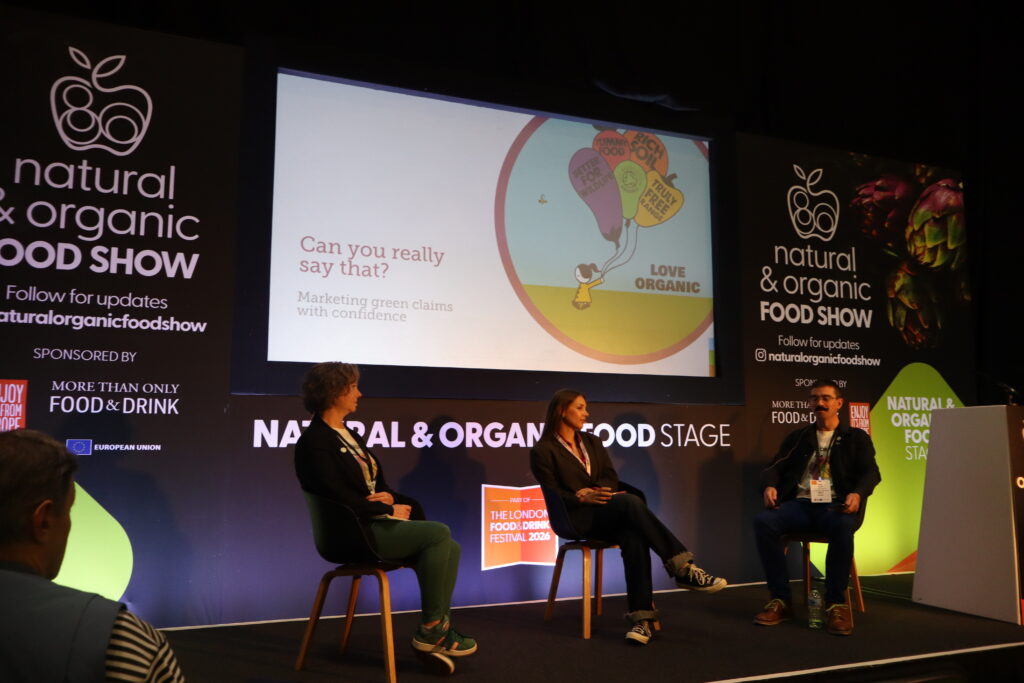
Regulation is increasingly shaping how organic and sustainability claims are communicated. As rules around environmental claims continue to evolve in both Great Britain and the EU, businesses are placing greater focus on making sure that claims are clear, transparent and supported by evidence. This is making substantiation and careful wording an increasingly important part of marketing and communication. As vague green claims lose prominence, organic certification is likely to become a more reliable and clearly defined indicator of sustainability.
At NOFS, the discussion highlighted how brands can continue to communicate their environmental efforts while adapting to the changing regulatory landscape. Trusted certification, clear qualifiers and accessible evidence are becoming useful tools for helping consumers understand what claims mean. The changes also highlight the importance of keeping marketing, PR and sales teams up to date with current requirements.
For further guidance on communicating and marketing organic and environmental claims, the Soil Association will soon publish a new guidance report. It will help certified businesses recognise and leverage the benefits of organic in their marketing.Read more about it here.
Furthermore, new packaging requirements, including Extended Producer Responsibility (EPR) and upcoming recyclability requirements, are expected to increase the focus on recyclable materials and more resource-efficient packaging.
Overall, NOFS provided a useful indication of how the natural and organic food market is developing toward 2027. Consumer interest is shifting toward products that are more transparent, functional and nutritionally relevant, while organic and health-focused products are becoming increasingly integrated into mainstream retail. At the same time, producers and retailers are operating in a market where trust, clear communication and the ability to adapt to changing regulatory requirements are becoming increasingly important.
Finally, a new SPS agreement between Great Britain and the EU could make trade easier and more accessible, particularly for smaller businesses looking to import directly, helping to create the conditions for the organic market to scale up.