Organic farming is based on a set of principles that aim to reduce environmental impact and support long-term sustainability in food production. In practice, this means farming without synthetic pesticides and mineral fertilisers, using crop rotations to maintain soil fertility, and applying strict rules for animal welfare. Organic production in Sweden follows EU organic legislation and is commonly associated with high transparency and traceability throughout the supply chain. Sweden offers an illustrative example of how organic farming has developed from niche products in the 1980’s to a well recognized production system among consumers.
Approximately 17% of Sweden’s agricultural land is managed organically, corresponding to just under 500,000 hectares. While this share has declined somewhat in recent years, it remains high in comparison to many other European countries. Organic farmland in Sweden includes both arable land and large areas of pasture and ley, reflecting the country’s emphasis on mixed farming and livestock production. This raises a natural follow-up question – what does this organic farmland actually produce?
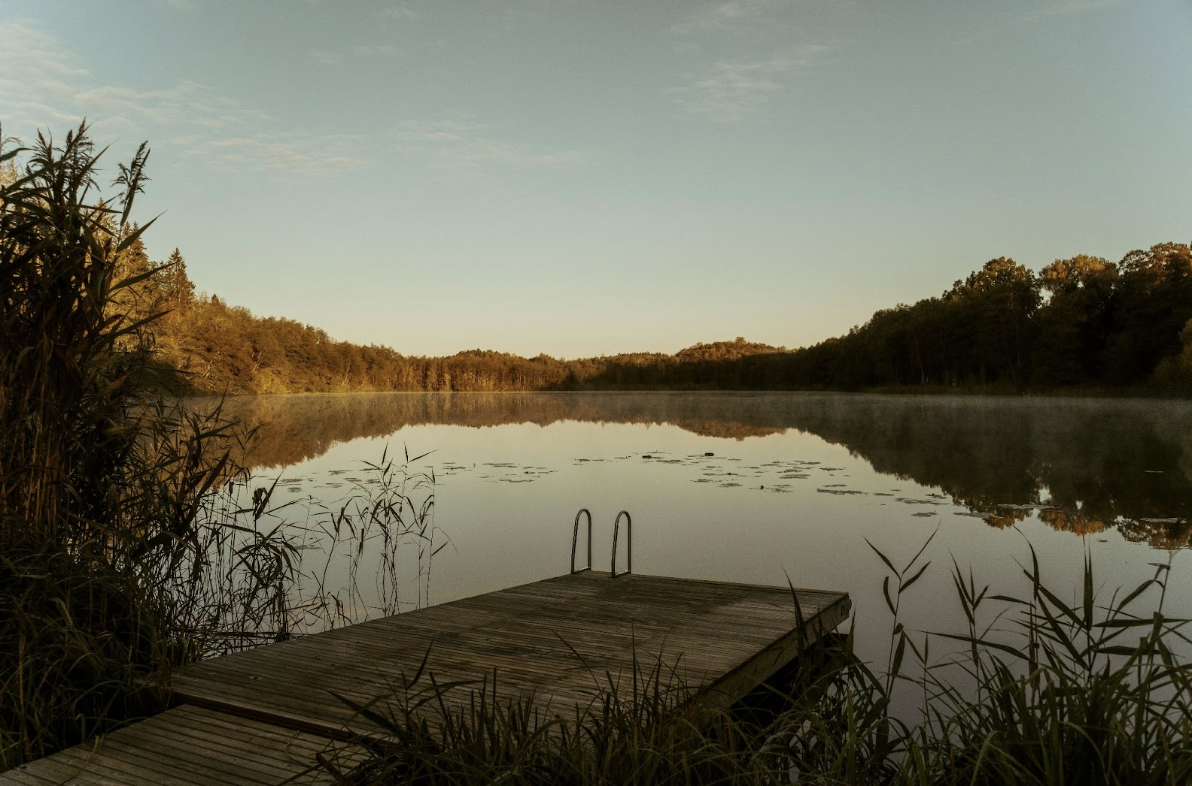 Sweden is a country of many lakes. Organic production forbids the use of synthetic pesticides, which is positive for the water quality.
Organic Agriculture in Sweden
Swedish organic production covers a broad range of products. In crop production, cereals such as oats and wheat, along with grain legumes like peas and broad beans, are common. These crops are used both for food and feed, and are well adapted to Swedish growing conditions. In addition, animal production is a central part of the organic sector. Organic milk, beef and eggs account for a significant share of total organic output. Organic livestock systems in Sweden are characterised by access to pasture, organic feed and comparatively strict animal welfare standards, including limits on stocking density and the ban of preventive antibiotic use.
In recent years, organic animal production volumes in Sweden have declined across several categories, reflecting broader market and cost pressures rather than changes in production standards. Leys also play an important role in animal feed production. While less common in many other European countries, they are particularly well suited to Sweden’s cool climate. Leys typically consists of a mixture of grasses and legumes, harvested annually but left untilled for two to four years. The harvest is most often preserved as silage.
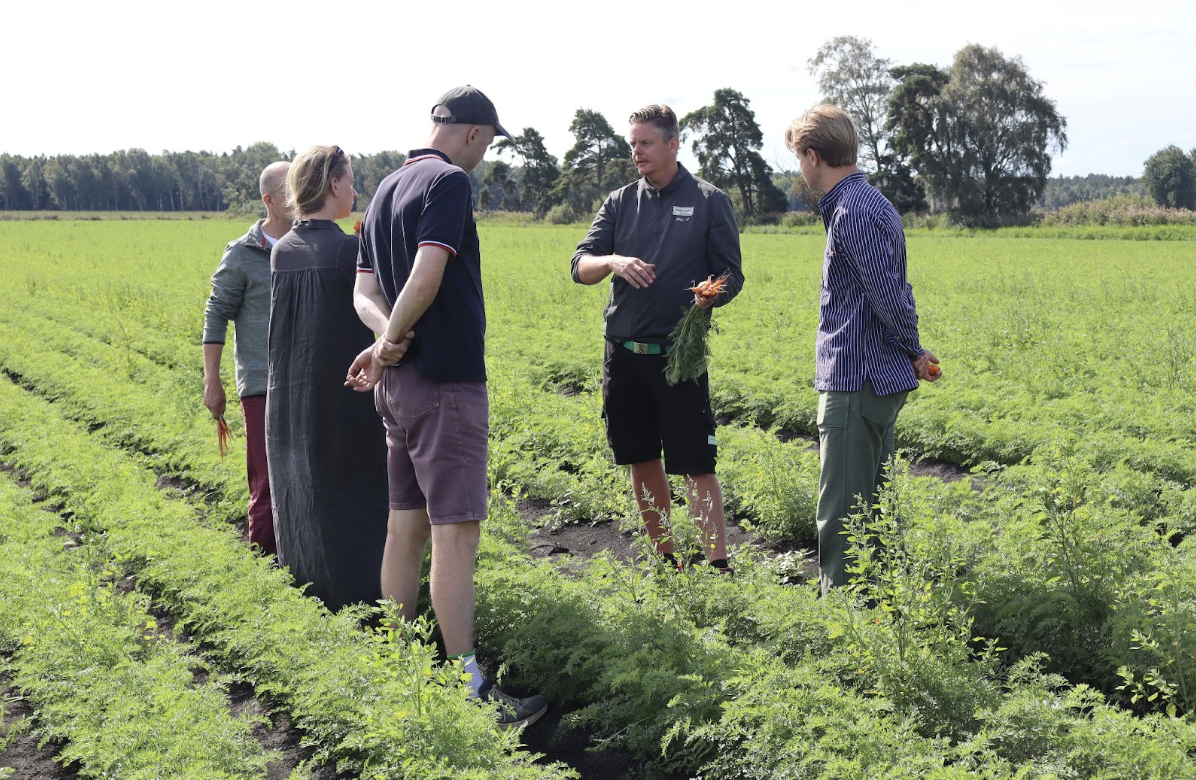 Organic carrot production on the Island of Gotland.
The Organic Market in Sweden
Consumer demand has played an important part in shaping Swedish organic production, among the most commonly purchased organic products are milk and dairy products, fresh herbs, wine and processed grocery items such as organic peanut butter. While some of these products are domestically produced and others imported, they reflect a market where organic options are well established across everyday food categories rather than limited to niche segments.
In terms of sales channels, organic food in Sweden is primarily distributed through a small number of major grocery retailers, alongside the state-owned alcohol monopoly, Systembolaget, which plays a central role in the organic wine segment. This concentrated retail structure puts the power of organic sales in the hands of a few retailers, but contributes to efficient logistics and consistent availability of organic products across the country.
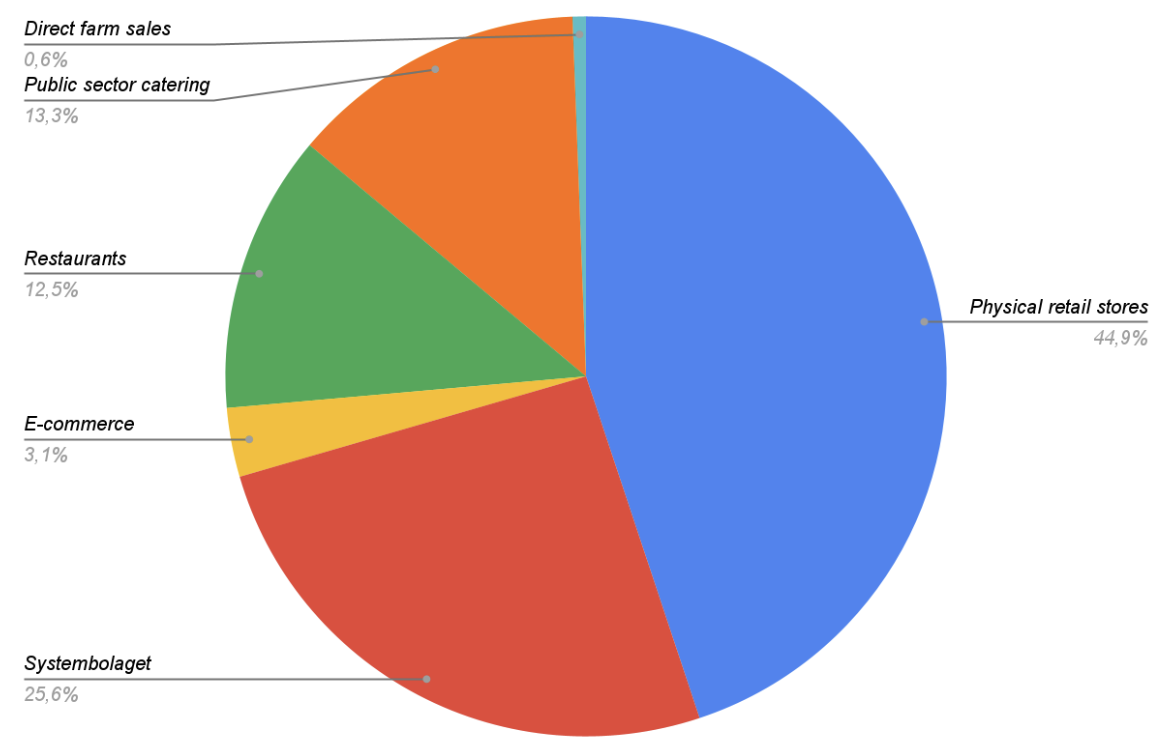 Distribution channels for organic food sales in Sweden (%).
What’s Next for Organic Farming and Market in Sweden
Several factors explain the relatively large role of organic production in Sweden. Environmental awareness among consumers has historically been high, and concerns about pesticide use, biodiversity and animal welfare have influenced purchasing decisions. At the same time, Swedish agriculture has benefited from long-standing advisory systems, public statistics and clear regulatory frameworks, which have made conservation of organic farming more accessible for producers. Rather than being driven by rapid expansion, the Swedish organic sector has developed gradually, with a focus on credibility, regulation and integration into mainstream food systems.
Today, organic production in Sweden faces many of the same challenges seen elsewhere, including production costs and changing consumer behaviour. Nevertheless, organic production remains a significant part of Swedish agriculture and food consumption. Swedish organic production can be understood as a mature system where organic farming is not an exception, but one established approach among others.
Looking ahead, organic farming is expected to play an important role in the European Union’s Farm to Fork strategy, which aims for 25% of agricultural land in the EU to be managed organically by 2030. This ambition highlights organic farming as a key tool in addressing climate change, biodiversity loss and sustainable food production. Within this context, Sweden’s long experience of organic farming, combined with a well-developed regulatory framework and strong producer competence, positions Swedish companies well for continued development and international cooperation. At the same time, demand for organic food in the UK remains strong, creating opportunities for Swedish producers to contribute high-quality, sustainable products to a market that values transparency, environmental responsibility and reliable supply.
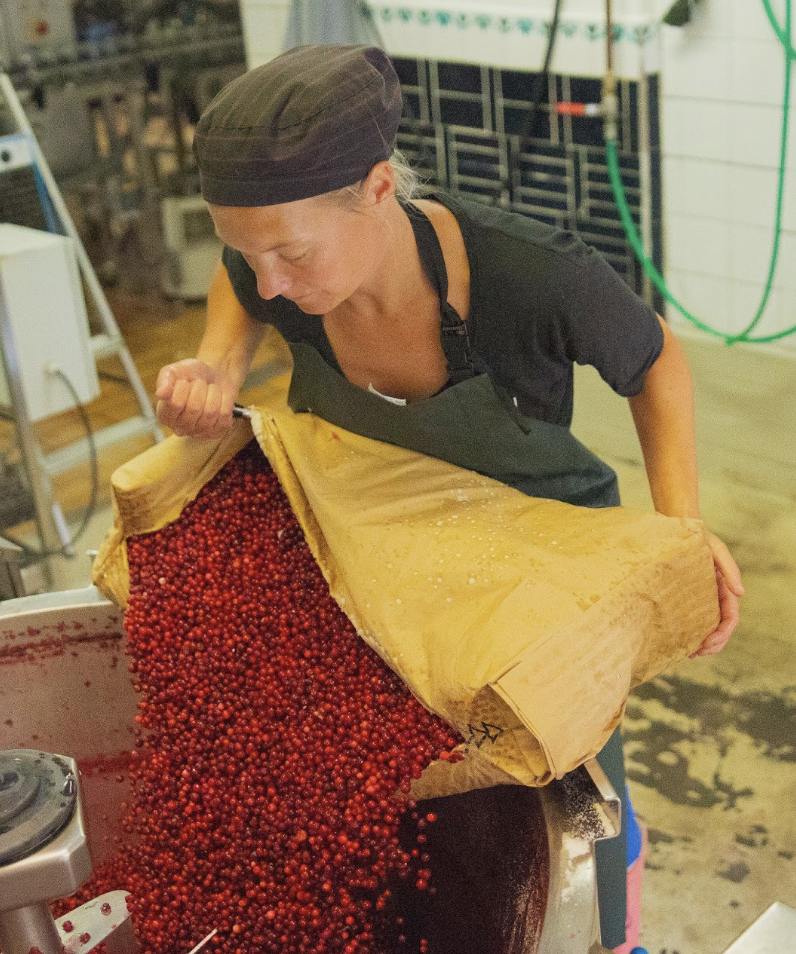 Do you know these berries? Sweden also offers a lot of wild berries from our forests. Based on how the forests are taken care of, these can also be organic. Correct answer: Lingonberries