
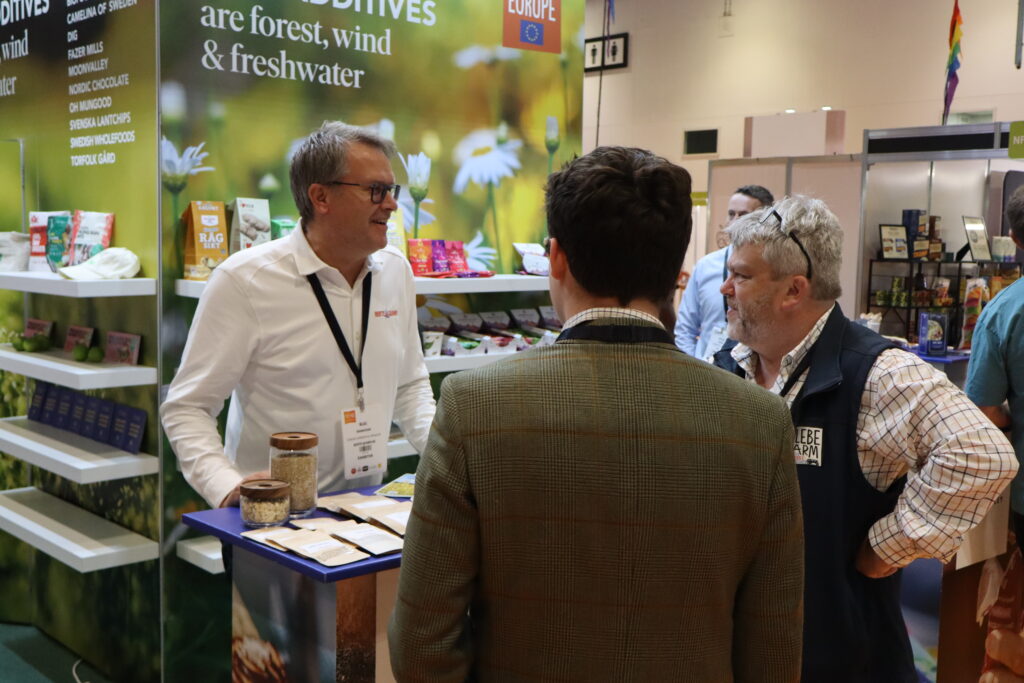
What can you do with oats and wild berries differently? At NOFS, three Swedish producers showed how they are turning familiar ingredients into innovative food products rooted in organic farming and closely connected to the country’s food traditions.
Sweden has a long history of growing grain and harvesting berries. Both remain important ingredients in its food culture and offer opportunities for developing new products. From oats prepared for a range of culinary uses to berry preserves made without added sugar, Berte Qvarn, Fazer Mills and Torfolk Gård illustrate three approaches to working with organic raw materials.

Rethinking a staple: Swedish oats
Oats are a familiar staple in British and Swedish kitchens, particularly in porridge. But how the grain is processed can affect how people use it.
At Berte Qvarn, a family-owned mill in Slöinge, Halland, the focus is on oats and flour. The mill combines traditional milling expertise with modern production methods. Dating back to 1569, the mill’s steel-cut oats provide a direct link between the grain and the finished dish.
What makes a great bowl of porridge? In 2017, Ellinor Persson won the traditional class at the World Porridge Making Championship in Scotland with a simple recipe of oats, water and salt. The oats came from Berte Qvarn, and the award highlights how a well-chosen raw ingredient can make all the difference.
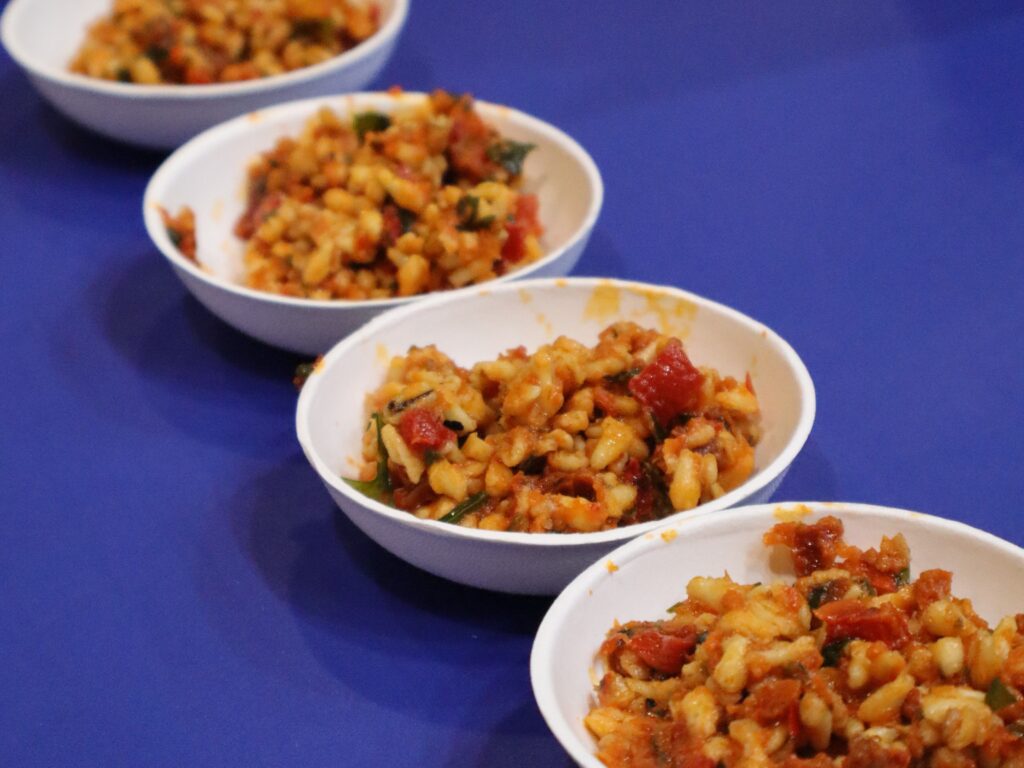
Fazer Mills takes a different approach to oats, combining sustainable oat production with the development of organic oat rice and other high-quality oat ingredients for food and drink applications. Valued for their taste, nutritional profile and functional properties, these versatile ingredients give manufacturers opportunities to develop products for a range of culinary uses and with different characteristics.
Oat rice shows how a familiar grain can take on a new form, offering an alternative to conventional rice in a range of dishes. One of the big advantages of oat rice is the high fibre content compared. And yet the price of oat rice remains fairly low.
The flavour of Swedish wild berries
Berries are an important part of Sweden’s food heritage, with lingonberries and blueberries used in everything from savoury accompaniments to jams and preserves.
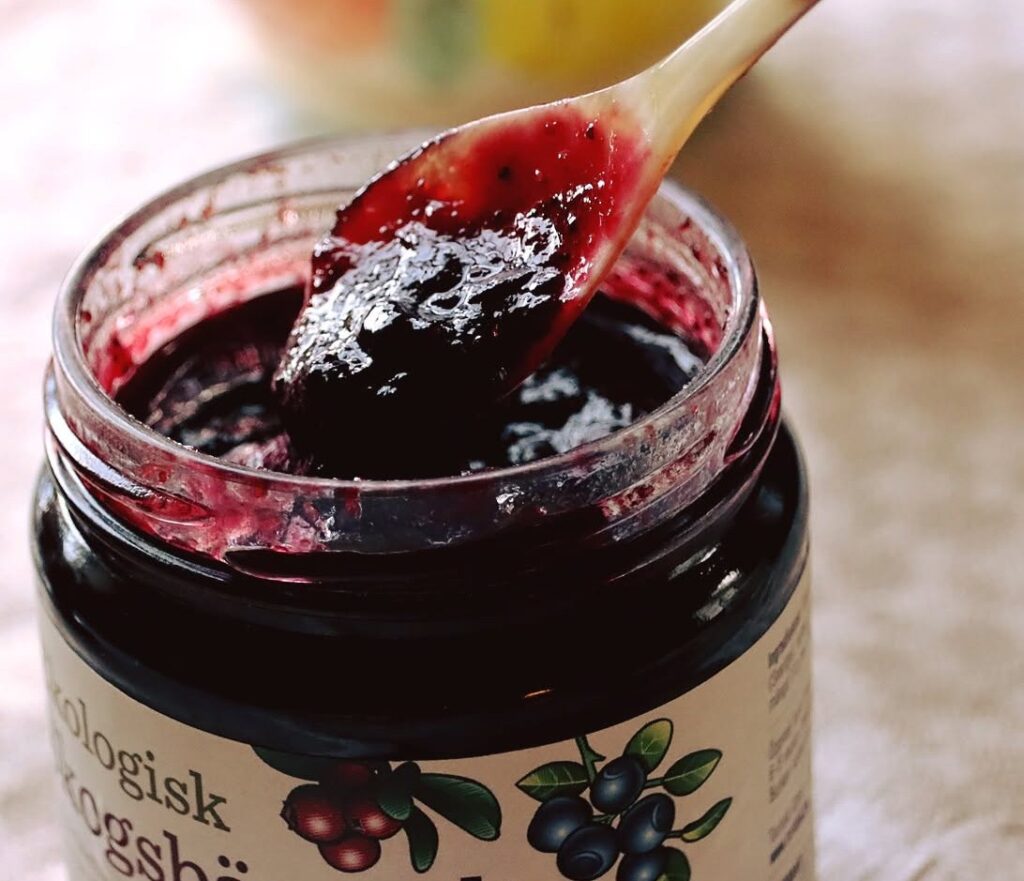
At Torfolk Gård, organic berries and fruits form the basis of jams, marmalades and preserves. Alongside traditional products, the company offers unsweetened alternatives. The product “Osötade Lingon” is made from 100% Swedish lingonberries, with no added sugar or additives. Its newer companion, Osötade Skogsbär, combines lingonberries and blueberries, also without added sugar or additives. Lingonberries naturally contain bensoic acid, which makes it possible to preserve them without added sugar,
These products offer a different approach to fruit preserves, letting the berries’ flavours take centre stage and allowing customers to decide how much sugar they want to add. For example, they give people with diabetes the option of enjoying a spread on their toast.
Innovation starts with the ingredient
For the UK market, Berte Qvarn, Fazer Mills and Torfolk Gård show how innovation can build on familiar organic ingredients, creating new formats and uses for oats and berries while retaining the environmental benefits associated with organic production, including healthier soils, reduced reliance on synthetic pesticides and support for biodiversity. Their products show that innovation does not have to come at the expense of organic values; instead, it can bring these benefits to a wider range of everyday foods.